Alright, let's talk about siding costs. It's one of the biggest investments you'll make in your home, and nobody wants to feel like they're getting ripped off. I’ve been doing this for a long time here in Papillion, and believe me, I've seen all sorts of quotes. So, let's cut through the jargon and really get down to what you can expect to pay, and what drives those numbers.
What Really Affects Your Siding Bill?
It's not just about the square footage, though that's certainly a big piece of the puzzle. A whole bunch of things can swing your price tag up or down. Here’s what we typically look at:
- Material Choice: This is probably the biggest factor. Vinyl usually offers the most budget-friendly option. Fiber cement, like James Hardie, is a step up from there. Then you have wood or engineered wood products. Each comes with its own price point and specific installation needs.
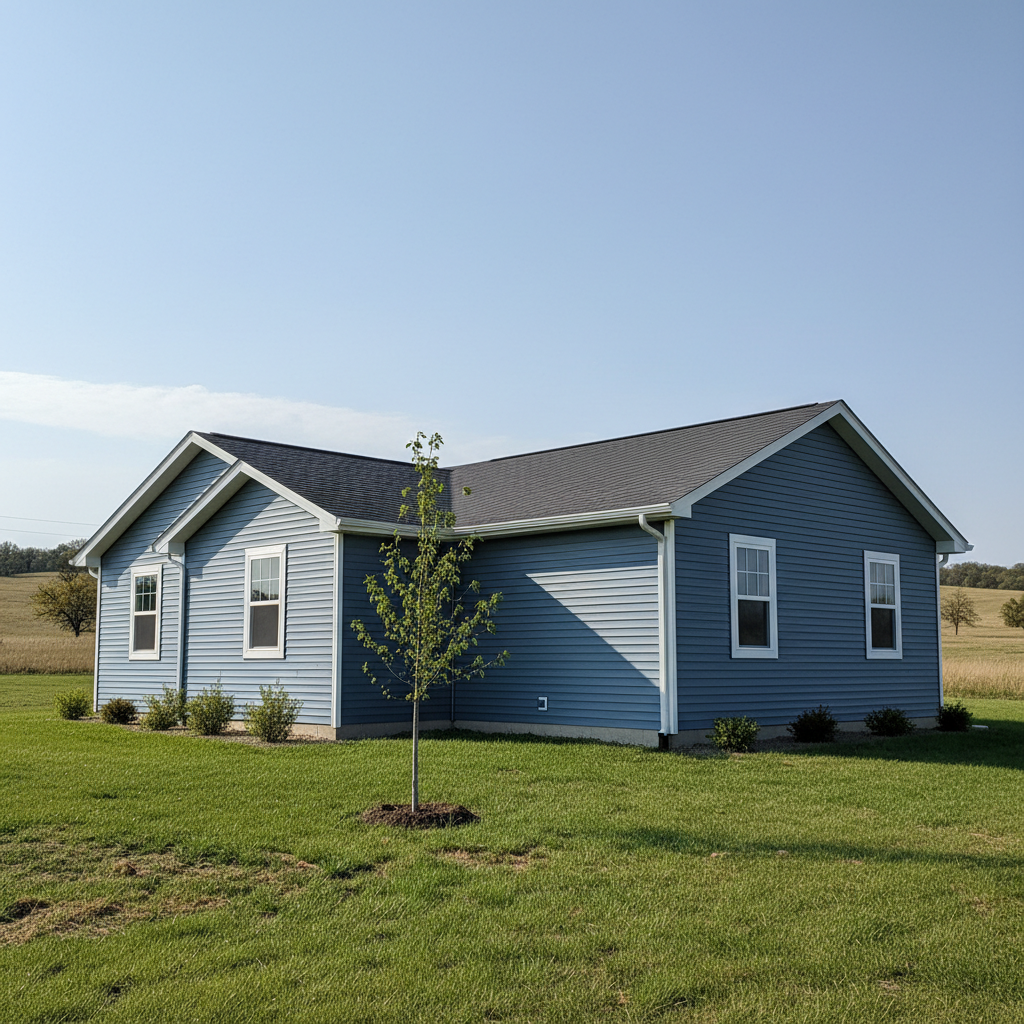
- House Size and Complexity: A simple ranch house with straight walls is much easier and quicker to side than, say, a two-story home with lots of gables, bump-outs, and bay windows. More corners, more cuts, more labor, plain and simple.
- Existing Siding Removal: If your old siding needs to come off, that's an extra charge. We have to tear it off and haul it away. Sometimes, if it's in good shape and your home's structure can handle it, you might be able to side over the existing material. But that's not always the best long-term solution, is it?
- Rot or Damage Repair: This happens a lot, especially with older homes in places like the Carriage Hill neighborhood, where some of the original wood siding might be showing its age. If we pull off the old siding and find rotten sheathing or framing, we absolutely have to fix that before putting on anything new. That's an unexpected cost, yes, but it’s vital for your home’s integrity.
- Trim, Soffit, and Fascia: Are you just doing the siding, or are you upgrading all your trim, soffits, and fascia too? Matching these elements or replacing old, worn-out ones adds to both material and labor costs.
- Insulation: Adding house wrap or rigid foam insulation under your new siding can really boost your home's energy efficiency. But, of course, it's an extra step and an extra material cost.
- Permits: Yes, you usually need a permit for siding work in Papillion. It's a small cost, but it's part of the deal.
Typical Siding Costs in Papillion (Realistic Numbers)
Okay, you want numbers? I'll give you numbers. Just remember, these are ranges, and your specific project will fall somewhere within them. These prices generally cover material, labor, and getting rid of your old siding.
- Vinyl Siding: For standard quality vinyl, you're usually looking at anywhere from $6.00 to $9.00 per square foot. So, for a 1,500 square foot home (which is a pretty common size around here), you might be in the $9,000 to $13,500 range. Premium vinyl, thicker gauges, or specialty colors will push you towards the higher end.
- Fiber Cement Siding (e.g., James Hardie): This is a more durable, low-maintenance choice. Expect to pay between $10.00 and $15.00 per square foot. For that same 1,500 square foot house, that's roughly $15,000 to $22,500. Pre-painted options can cost a bit more upfront but will save you on painting later.
- Engineered Wood Siding: Products like LP SmartSide typically fall into a similar range as fiber cement, often $9.00 to $14.00 per square foot. So, for our example home, that's $13,500 to $21,000.
These numbers are just for the siding itself. If you're adding new gutters, downspouts, or lots of trim work, make sure to factor in extra for those.
What Should Be in Your Siding Quote?
When you get a quote from Coastal Siding Solutions, or any other reputable company, it should be detailed. Don't accept a one-page estimate with just a total price. Here’s what you want to see:
- Specific Material: Brand, type, color, and gauge (for vinyl, that is).
- Scope of Work: Clearly states what's being removed, what's being installed, and any prep work (like house wrap).
- Trim Details: What kind of trim, soffit, and fascia will be used? Is it wrapped in aluminum or new composite?
- Waste Disposal: Confirms old siding will be hauled away.
- Permit Costs: Should be included or clearly stated as an owner responsibility.
- Warranty Information: Both for the material and for the labor.
- Payment Schedule: How much upfront, progress payments, and final payment.
How to Avoid Overpaying for Siding
It's simple, really, but people miss these steps all the time.
- Get Multiple Quotes: Don't just get one. Get at least three detailed quotes from different reputable contractors. This lets you compare apples to apples, as they say.
- Check References and Reviews: See what other Papillion homeowners are saying. Google reviews, BBB, and ask for local references you can actually call.
- Don't Rush: Don't let a high-pressure salesperson push you into signing on the spot. A good contractor will always give you time to review the quote.
- Understand the Warranty: Make sure you know what's covered and for how long, both by the manufacturer and the installer.
- Ask Questions: If something in the quote isn't clear, ask. A good contractor will patiently explain everything.
Replacing your siding is a big project, but it's one that adds curb appeal, protects your home, and can even boost its value. Do your homework, get solid quotes, and you'll get a fair price for quality work. That's how we do business at Coastal Siding Solutions, and it's what I recommend for every homeowner.