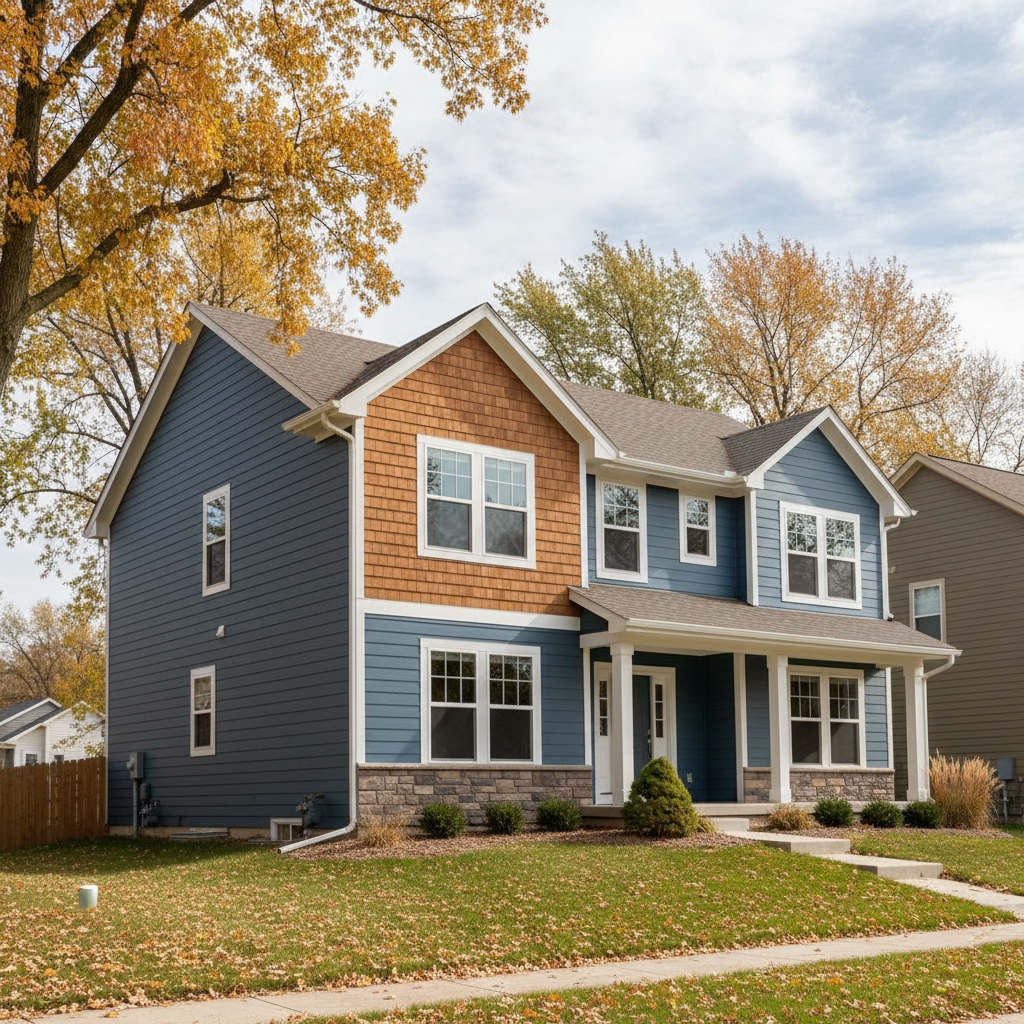
A January blizzard can sweep across the open fields right into Papillion and test how a home exterior handles the impact. Here in Nebraska, we deal with blistering summer heat and freezing winter winds that test every square inch of our houses. If you are planning to upgrade your exterior, choosing the right material matters immensely. Coastal Siding Solutions sees firsthand how local temperature swings affect different products. That is why Fiber Cement Siding has become such a popular choice for local neighborhoods from Tara Hills to the older established blocks near downtown.
Understanding Papillion's Climate and Fiber Cement
Our local climate sits squarely in the zone where exterior materials take a beating. We get heavy humidity in July, freezing sub-zero temperatures in January, and enough spring hail to keep insurance adjusters busy for months. James Hardie Fiber Cement Siding is engineered specifically to handle these harsh regional shifts without warping, cracking, or succumbing to moisture damage. Unlike vinyl, which can become brittle when the mercury drops below freezing, Fiber Cement Siding stands strong against heavy winds and flying debris.
Timing your Fiber Cement Siding installation around our local weather patterns makes all the difference in the final result. Spring and fall offer the most stable conditions for outdoor construction. Summer heat can cause caulking and sealants to cure too fast, while winter frost requires specific handling techniques to keep the boards from becoming overly brittle during installation.
Scheduling Your Installation Wisely
Planning your Fiber Cement Siding project ahead of time keeps you out of the frantic rush that happens right before the first major snowstorm hits. Most homeowners want their updates done during the comfortable months of May through September. However, booking crews during the shoulder seasons often means faster project start times and less waiting around. Papillion spring rains can occasionally push schedules back a few days, because contractors cannot install boards safely or apply sealants during active downpours. Flexibility during those damp weeks ensures the job gets done right the first time.
- Schedule consultations during late winter to secure prime spring slots
- Avoid rushing contractors when April showers temporarily pause exterior work
- Account for material acclimation time before the crew starts hammering
Protecting Your Investment Year-Round
Once your new Fiber Cement Siding is up, keeping it in top shape requires very little effort compared to traditional wood. A simple garden hose wash once or twice a year clears away the dust and pollen that blow in from nearby fields. Pay attention to the caulking around your windows and trim every few years, as normal expansion from seasonal temperature changes can create tiny gaps. Addressing those small maintenance items early stops moisture from sneaking behind the boards and preserves the structural integrity of your home for decades to come. For Papillion homes, Coastal Siding Solutions provides Fiber Cement Siding services.