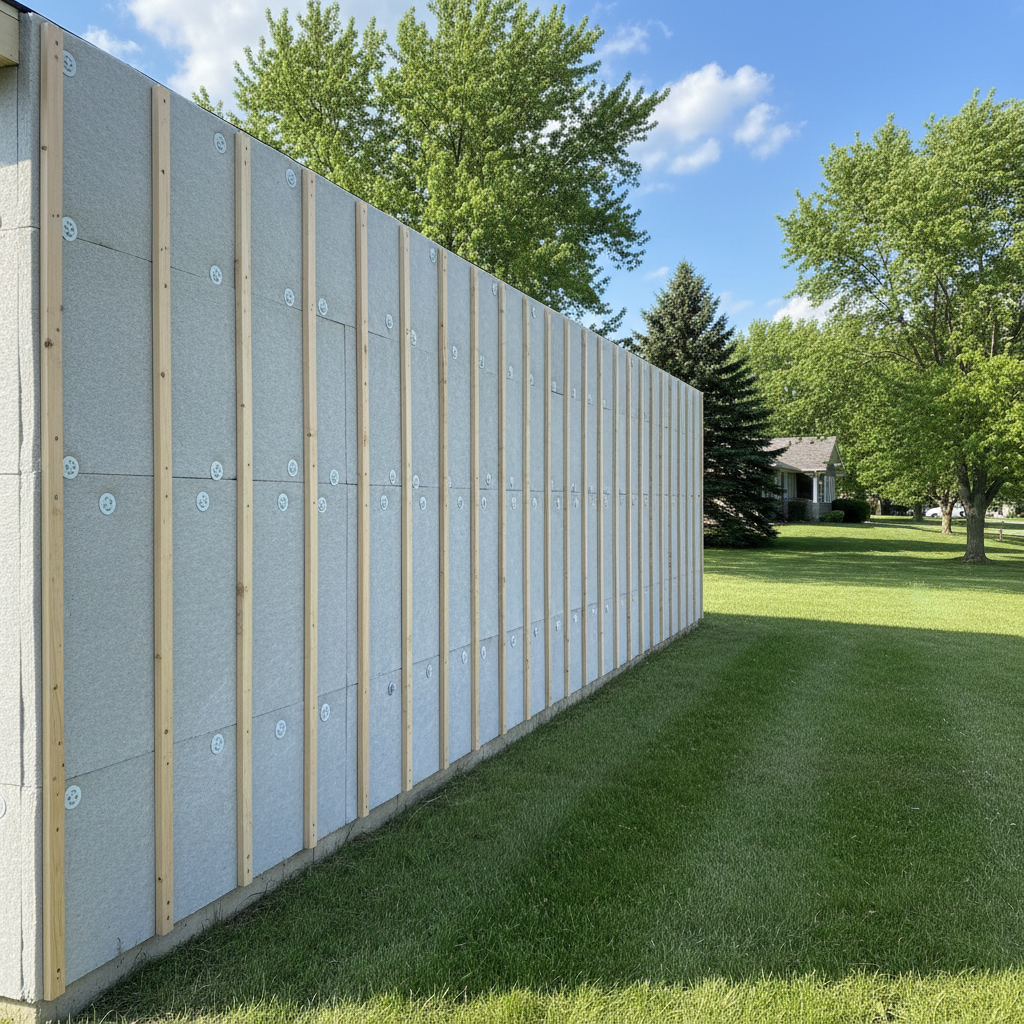
So, you’ve put money into new insulation for your Papillion home. Maybe you finally got rid of that old, dusty stuff, or perhaps you just upgraded to something more efficient. That’s a smart move, no doubt, especially with our wild Nebraska weather – those hot, humid summers and brutal, icy winters really push your home’s envelope to its limits. But getting it installed isn't the whole story. You want that investment to last, right? You want it to keep doing its job for decades. So, let’s chat about how to make that happen.
Extending the Life of Your Insulation
The biggest thing you can do to make your insulation last longer is to shield it from its main enemies: moisture, pests, and physical damage. Most modern insulation materials, like blown-in cellulose or fiberglass batts, are built to last a good long while, but they can’t fight off everything on their own.
- Keep it Dry: This is absolutely crucial. Water is insulation’s worst nightmare. A damp attic or crawl space means mold, mildew, and insulation that just doesn’t work anymore. Make sure your roof is in good shape, your gutters are clean and direct water away from the house, and any plumbing in your attic or walls isn't leaking. If you’ve got a bathroom fan venting into the attic instead of outside, fix that immediately. That warm, moist air is a recipe for disaster, truly.
- Pest Control: Rodents, insects, even birds can really mess up insulation. They chew it, nest in it, and compress it, which completely ruins its R-value. Seal up any entry points into your attic or crawl space – think small gaps around pipes, vents, or foundation cracks. If you hear scratching or see droppings, call an exterminator right away. Don’t let them get comfortable in there.
- Avoid Compression: Insulation works by trapping air. If it’s squished, it can’t trap air effectively. Don't store heavy boxes directly on top of loose-fill insulation in your attic. If you need storage space up there, build a raised platform above the insulation layer.
Regular Maintenance: What You Can Do
You don’t need to be up in your attic every weekend, but a quick check-up once or twice a year can save you a lot of headaches and money down the road.
- Spring Check (after winter): Once the snow melts and things start to warm up, take a look around. Are there any signs of water stains on your ceiling or in your attic? Is the insulation looking fluffy and even, or do you see matted-down spots? Check around vents and pipes for gaps.
- Fall Check (before winter): Before the really cold weather hits, do another visual inspection. Look for any signs of pest activity. Make sure attic vents aren't blocked by leaves or debris. If you have an unconditioned crawl space, check for any standing water or dampness. Our clay soils around Papillion can sometimes hold water, so good drainage around the foundation is key, you know?
- Seal Air Leaks: This isn't strictly insulation maintenance, but it really goes hand-in-hand. Use caulk and weatherstripping to seal gaps around windows, doors, and electrical outlets. In the attic, look for gaps around light fixtures, plumbing stacks, and chimney chases. Air leaks bypass your insulation, making it pretty much useless.
Warning Signs of a Problem
Your home will usually tell you when something’s wrong. Don't ignore these signals:
- Higher Energy Bills: If your heating or cooling costs suddenly jump without you using more energy or utility rates changing, compromised insulation could be the reason.
- Uneven Temperatures: Are some rooms significantly colder or hotter than others? That’s a classic sign of insulation issues or air leaks.
- Drafts: Feeling drafts, especially near interior walls or ceilings, can mean air is sneaking past your insulation.
- Pest Sightings: If you see mice, squirrels, or insects in your living space, they might be nesting in your insulation.
- Musty Odors: A persistent musty smell, especially in the attic or basement, points to moisture and potential mold growth in your insulation.
- Sagging Ceilings or Walls: In extreme cases, water-damaged insulation can get heavy and cause structural issues.
When to Call a Professional
Look, I’m a big believer in DIY when it makes sense, but some jobs are just better left to the pros. If you see any of those warning signs, or if you're just not comfortable inspecting your attic or crawl space yourself, don't hesitate to call. You might need a professional if:
- You find significant water damage or mold in your insulation. That often means remediation and replacement.
- You suspect a serious pest infestation that you can't handle yourself.
- You notice large areas of insulation that are matted, missing, or severely damaged.
- You’re not sure about the best way to seal air leaks or improve ventilation.
- You’re experiencing persistent comfort issues or high energy bills despite your best efforts.
We've helped plenty of folks in Papillion and the surrounding areas with their insulation needs, whether it's an inspection, an upgrade, or a repair. Here at Coastal Siding Solutions, we know how important a well-insulated home is for your comfort and your wallet. Don't let a small issue turn into a big, expensive problem. A little proactive care goes a long way in keeping your home efficient and cozy for years to come.